




5 Simple Ways to Help Your Pet Maintain a Healthy Weight
A healthy weight can mean more comfortable movement, more energy, and a better quality of life for your pet.
Those extra treats can add up faster than we realize. A little bite from the table, an extra scoop of food, or skipping a few walks may not seem significant, but over time they can contribute to unwanted weight gain.
Being overweight can also put additional stress on your pet's joints and may be associated with health problems.
The good news? Small changes in everyday routines can make a meaningful difference.
1. Start With Your Veterinarian
Before putting your pet on a diet or dramatically increasing exercise, talk with your veterinarian.
Your veterinarian can evaluate your pet's weight and body condition and help determine an appropriate target weight.
They may also recommend:
-
Appropriate daily calorie intake
-
Portion sizes
-
A suitable food
-
Safe treats
-
An exercise plan
-
Regular weight checks
This is especially important for senior pets or pets with existing medical conditions.
2. Measure Their Food
It's easy to accidentally overfeed when you're estimating portions by eye.
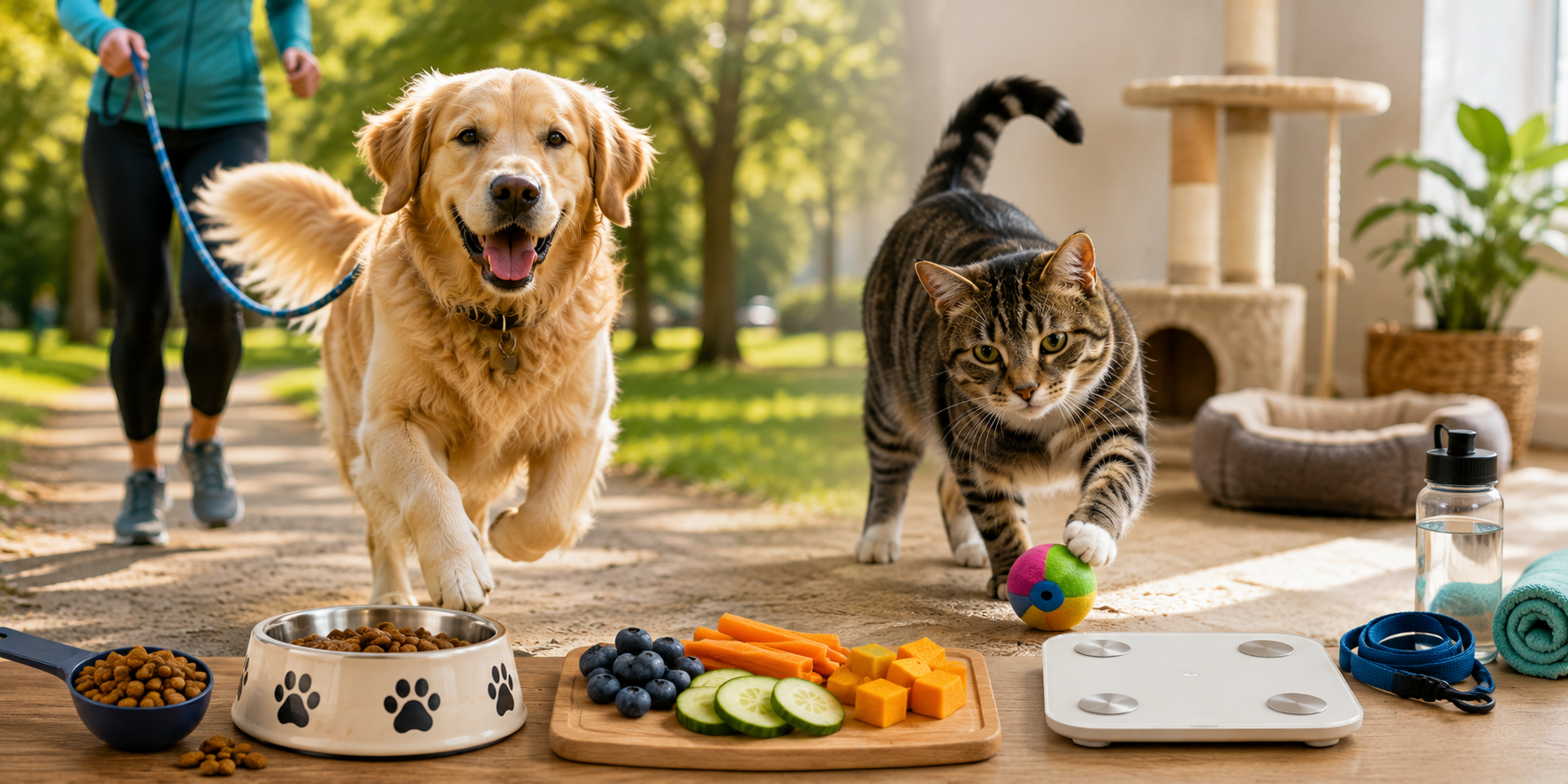
Use an actual measuring cup or, for greater precision, a kitchen scale if your veterinarian recommends it.
Also remember that treats count as calories too.
If several family members give treats throughout the day, your pet may be getting far more food than anyone realizes.
One simple solution is to set aside the day's treat allowance each morning. Once it's gone, treat time is finished for the day.
3. Turn Exercise Into Play
Exercise doesn't have to feel like exercise.
For dogs, activities might include:
-
Walking
-
Fetch
-
Hide-and-seek
-
Scent games
-
Swimming, when appropriate
-
Food puzzles
-
Training games
Cats can enjoy activity too.
Try wand toys, balls, climbing structures, food puzzles, or short interactive play sessions throughout the day.
Some cats can even learn to comfortably walk with a properly fitted harness and leash—but introduce it gradually and never force a cat that finds the experience stressful.
The right amount and intensity of exercise depends on your pet's age, breed, fitness level, health, and even the weather.
4. Make Walks More Interesting
Walking provides more than physical exercise.
For many dogs, sniffing and exploring provide valuable mental stimulation as well.
Instead of always rushing through the same route, occasionally give your dog time to investigate their surroundings.
Try a different street, park, or pet-friendly trail.
If you're busy or away from home, a trusted dog walker or pet sitter may also help your pet maintain their normal activity routine.
Consistency matters.
5. Create a Consistent Feeding Routine
Leaving a full bowl available all day can make it difficult to know exactly how much some pets are eating.
Measured meals can make portion control easier.
Your veterinarian can help determine how much, how often, and what type of food is appropriate for your individual pet.
And don't forget about the extras.
Table scraps, training rewards, dental treats, biscuits, and snacks all contribute to your pet's total daily calories.
What About Healthy Human Foods?
Some pets may safely enjoy small amounts of certain foods such as plain carrots, cucumber, pumpkin, or blueberries.
But "healthy for humans" doesn't automatically mean safe or appropriate for every pet.
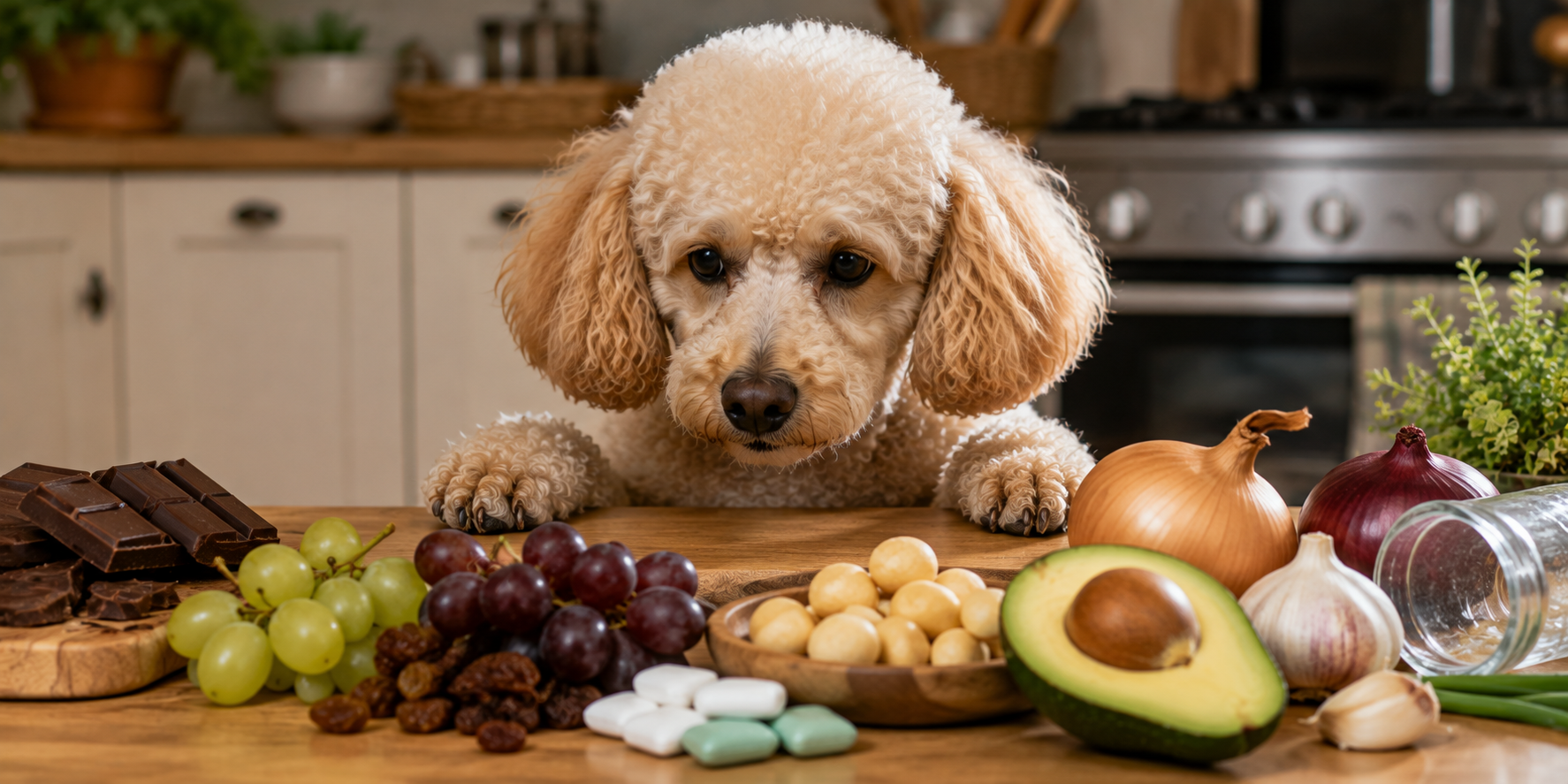
Some human foods are toxic to dogs or cats, and pets with certain medical conditions may require specific diets.
When in doubt, ask your veterinarian before adding new foods.
Small Changes Can Make a Big Difference
Helping your pet maintain a healthy weight doesn't require turning their life upside down.
Start small.
Measure meals.
Watch the treats.
Play a little longer.
Take another walk.
And keep track of changes over time.
Most importantly, don't judge your pet's ideal weight simply by the number on a scale. Your veterinarian can assess body condition and help determine what's appropriate for your individual pet.
A healthy pet isn't necessarily the smallest pet—it's a pet maintained at an appropriate body condition for their individual needs.
Shocco's Pet Care Tip ❤️
If work, travel, or a busy schedule makes it difficult to maintain your pet's normal walking, play, or feeding routine, having someone you trust can make a difference.
Shocco's helps pet owners connect with pet sitters and pet-care providers who can help keep pets comfortable and cared for when their families can't be there.
Shoccos.com — Connecting Pets, People & Care.
Important Medical Disclaimer
This article provides general educational information and is not a substitute for veterinary advice. Weight-loss plans, significant dietary changes, and new exercise programs should be discussed with a licensed veterinarian, particularly for pets with existing medical conditions.